About Center for Human Services
A Life Beyond Limitations starts here.
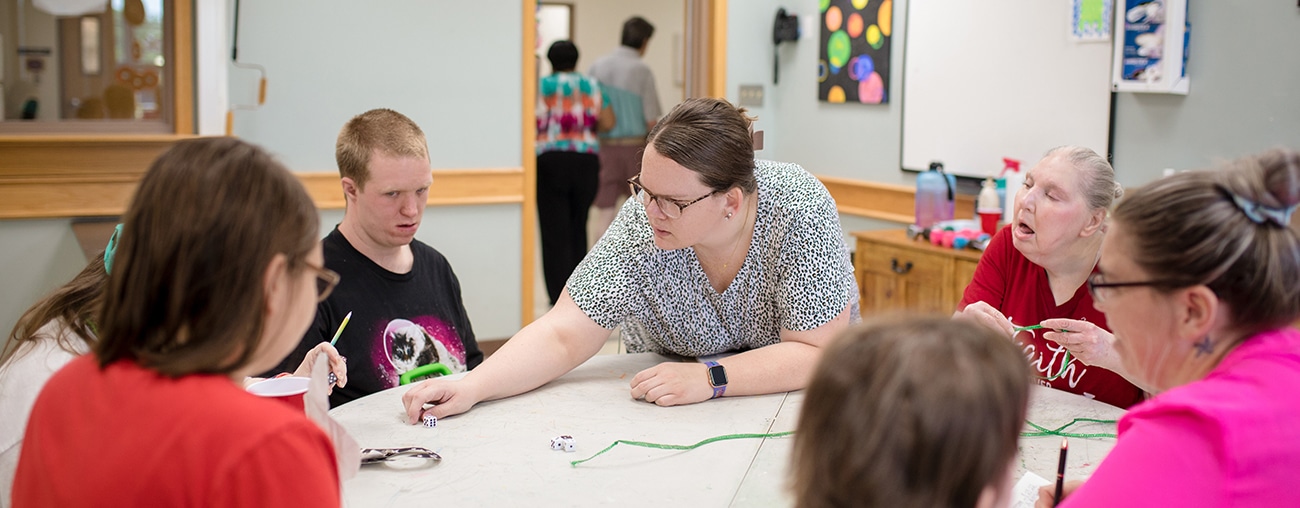
Center for Human Services (CHS) is a non-profit organization that helps people of all ages across Missouri. Our primary services help individuals develop their skills to overcome physical, mental, and financial challenges.
In 1955, CHS began by serving nine children in Sedalia, Missouri. Now, over 67 years later, over 800 employees currently serve several thousand individuals across the state, providing support through our various service lines.
Letter From Our CEO
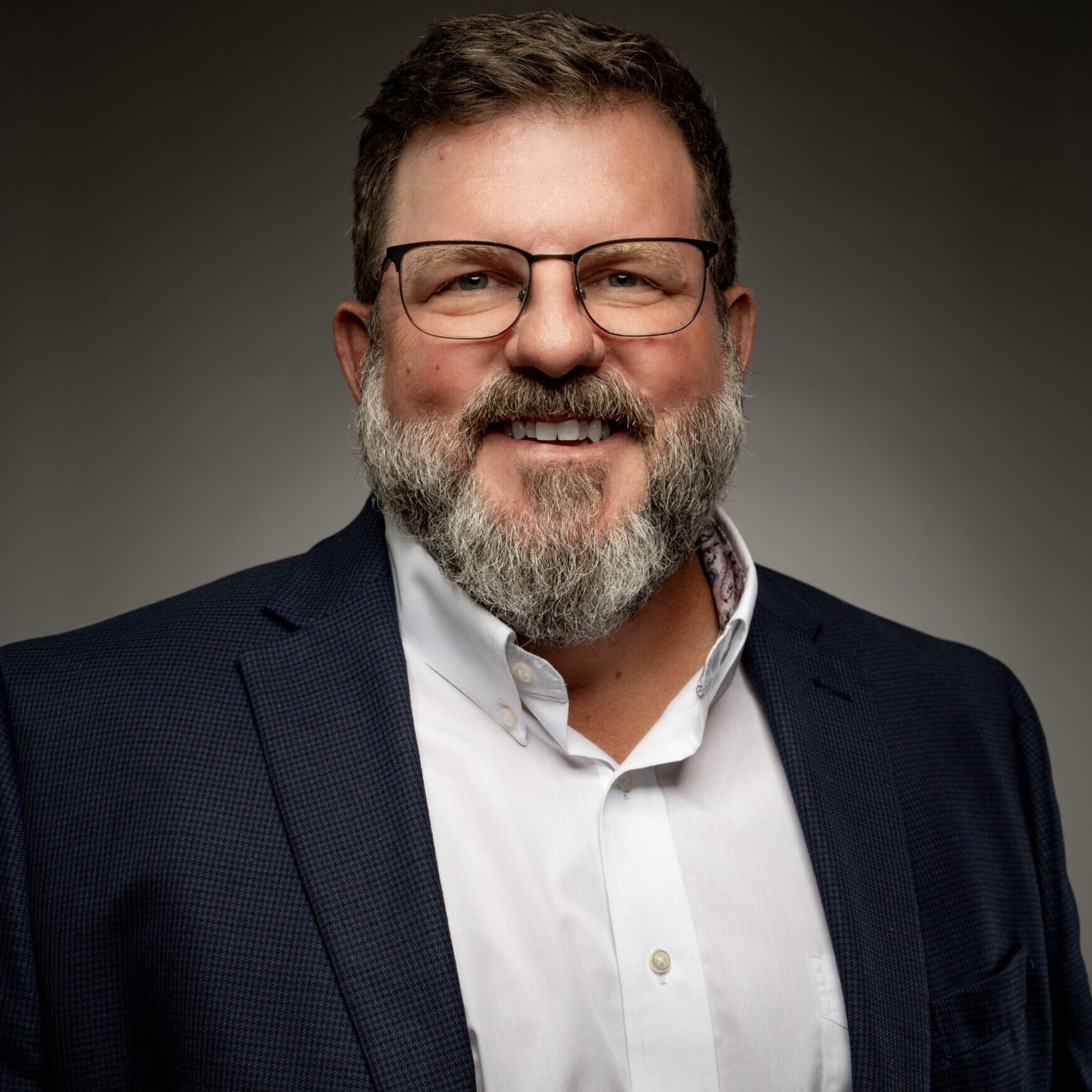
Center for Human Services (CHS) has provided exceptional services and supports for Missouri citizens with intellectual and developmental disabilities for over 70 years. Our original mission included the establishment of programs and services that change the way the community defines and views people with disabilities. I believe that the original board of directors would be proud of the fact that we now provide services in 50+ counties in the state of Missouri. They would be proud that we serve over 10,000 individuals with disabilities and their families. They would expect us to continue to lead the way by encouraging each individual we serve to live Life Beyond Limitations.
As each year progresses, CHS remains strong. We continue to provide community-based services that were outlined in our original articles of incorporation and are always looking toward the future. Our services are assisting individuals with disabilities and their families to meet their goals, and experience their best lives while living, working, playing, and becoming involved in their communities. The CHS family, and our partners, are an essential part of the community.
As you explore our website, you will see many stories of individuals who have achieved amazing goals in their lives. Your continued support of CHS makes Life Beyond Limitations possible.
Our Mission
Our mission is to provide exceptional services and support for Missouri citizens with intellectual and developmental disabilities. Our original mission included the establishment of programs and services that change the way the community defines and views people with disabilities.
We believe that everyone deserves to live a Life Beyond Limitations, so we create opportunities to make that possible for thousands of individuals across Missouri.
Our Values
- We are Leaders in Excellence
- We are Steadfast in Our Commitment to Solutions
- We Respect All Differences, Similarities, and Abilities
- We Advocate Autonomy
Accreditation
Center for Human Services is proud to hold accreditation by the international accrediting body, CARF, since 1986. Founded in 1966 as the Commission on Accreditation of Rehabilitation Facilities, and now known as CARF International, the accrediting body establishes consumer-focused standards to help organizations measure and improve the quality of their programs and services. This accreditation represents the highest level that can be given to an organization and shows our organization’s substantial conformance to the CARF standards. To be granted accreditation, we have demonstrated that we meet international standards for quality and are committed to pursuing excellence, by demonstrating our commitment to offering the highest quality of programs to a team of surveyors during periodic on-site visits.